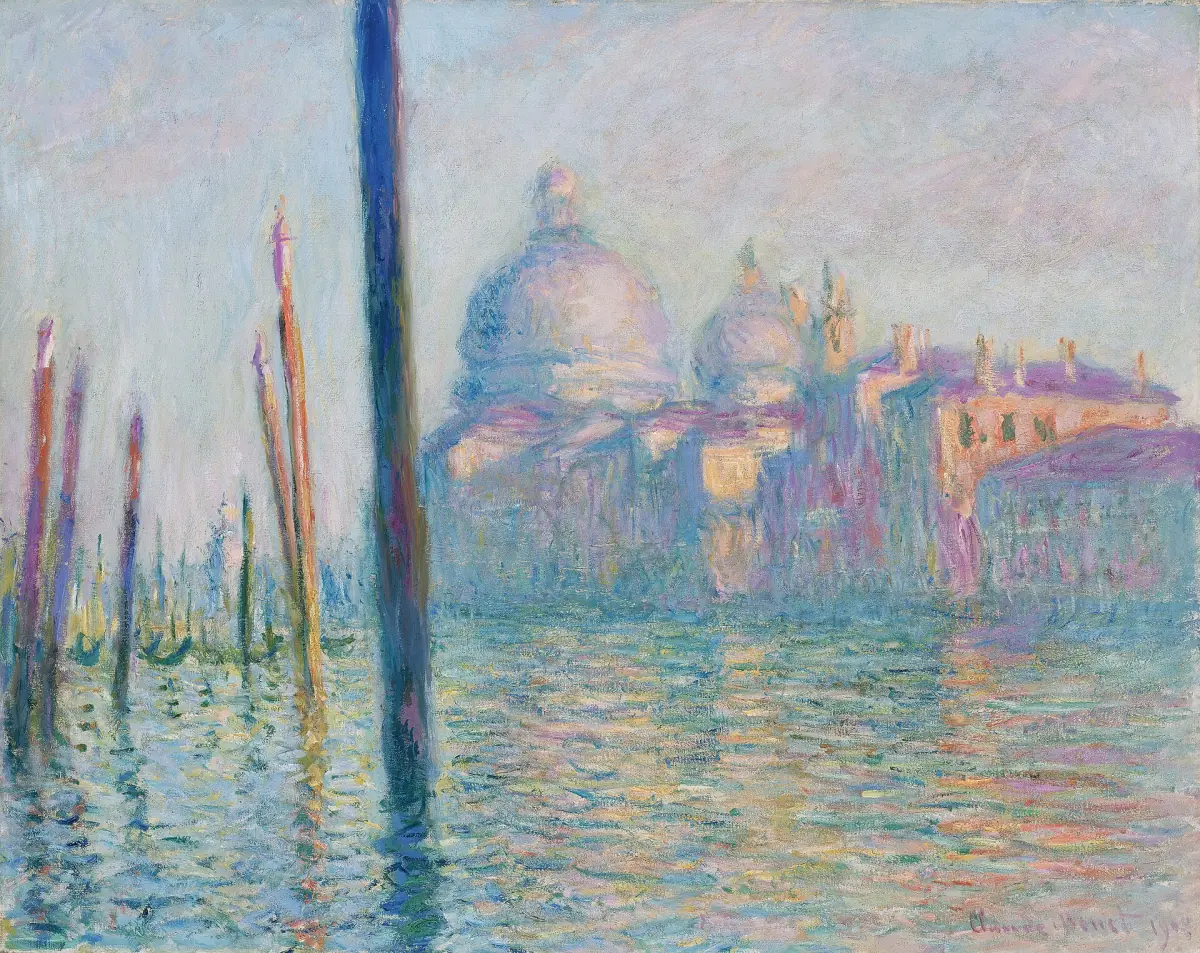
Grand Canal history in short
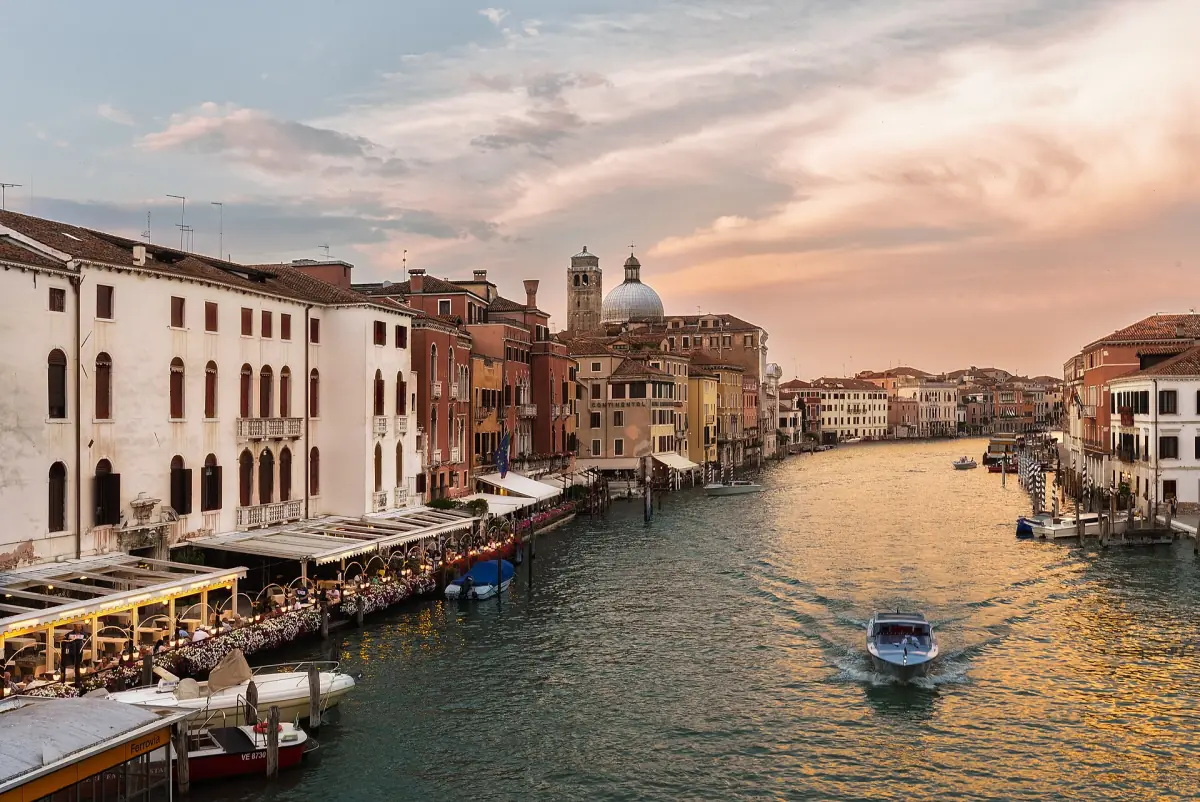
The Grand Canal is Venice's main waterway, about 3,800 m long and between 30 and 70 m wide. Its deepest point is 5 m. It follows a reverse S from the north-west to the south-east, and locals call it the Canalazzo. Its exact origin is uncertain: it probably follows an old riverbed. No year is known for its creation, and no named earlier river.
Over the centuries the banks filled with trading houses and palaces, and bridges later joined the two sides. A Grand Canal boat tour is the easiest way to see how these layers sit side by side. For hard numbers, see the Grand Canal facts page.
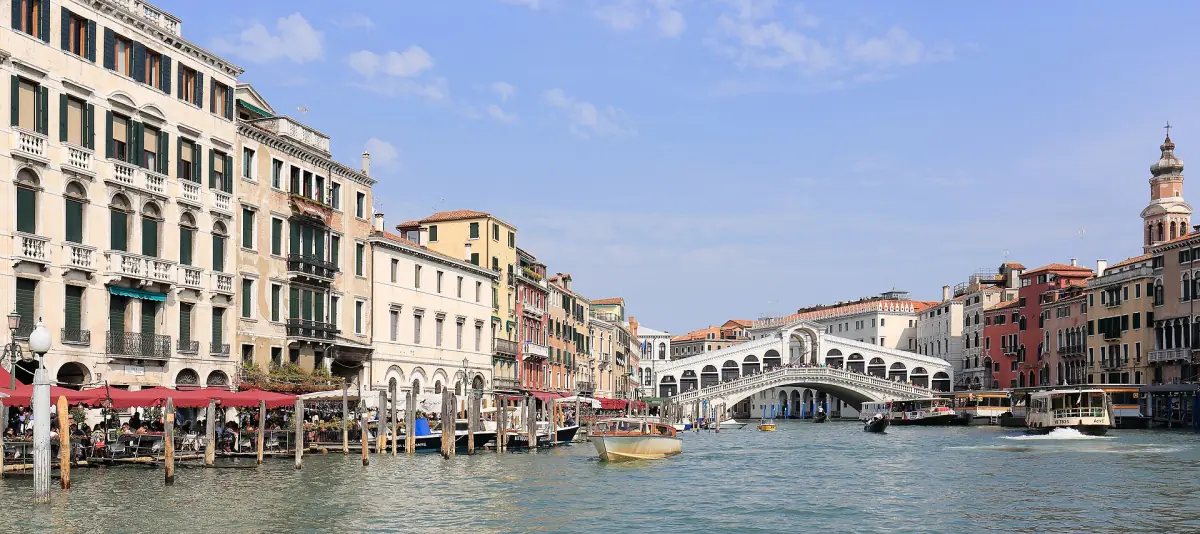
Key dates along the canal
Dates tied to buildings you can see from the water.
| When | What happened | Where |
|---|---|---|
| 12th to 13th century | Main structures of the building take shape | Fondaco dei Turchi |
| 1621 to 1838 | Trading centre of Turkish merchants | Fondaco dei Turchi |
| 19th century | Strong remodelling of the Fondaco | Fondaco dei Turchi |
| 1749 | Lorenzo Boschetti is commissioned to build a palace, of which only the first of five planned floors is built | Palazzo Venier dei Leoni |
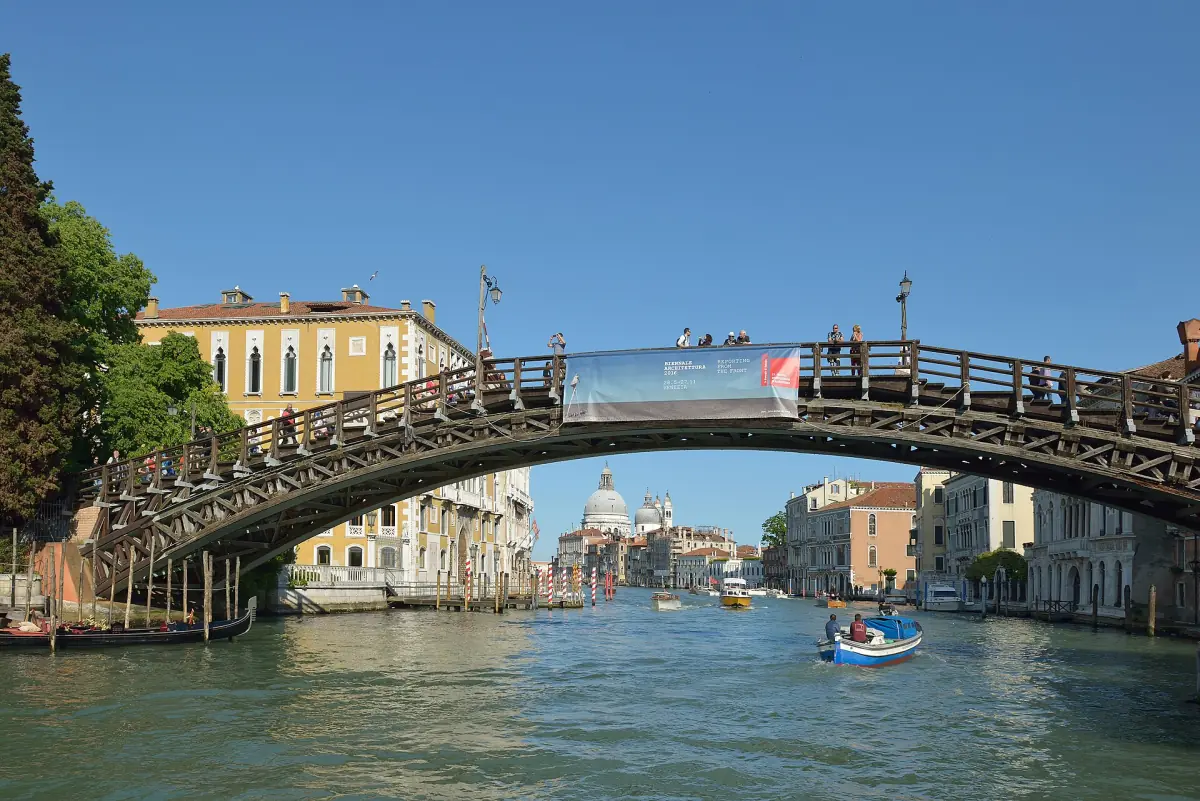
| 1933 | The Accademia bridge opens on 19 February as a temporary wooden solution by Eugenio Miozzi | Ponte dell'Accademia |
| 1934 | Miozzi's Scalzi bridge is built | Ponte degli Scalzi |
| 1949 | Peggy Guggenheim buys house and garden in July | Palazzo Venier dei Leoni |
| 1980 | The house opens as the Foundation's collection | Peggy Guggenheim Collection |
| 2008 | Calatrava's Constitution bridge opens (11 September) | Ponte della Costituzione |
| 2026 | Ca' d'Oro closes on 2 February, with reopening planned for spring 2027 | Ca' d'Oro |
For most visitors, the simplest way to link these dates to the buildings is a ride on line 1 plus one museum stop, for example the Peggy Guggenheim Collection or the Natural History Museum in the Fondaco dei Turchi.
Our pick: history with a guide
Our take: the full combo tour links the canal with St Mark's and the Doge's Palace.
Hand-picked tours, booked through GetYourGuide. Prices are indicative starting prices in euros (as of October 2026). Tap a tour for live availability and the current price in your currency.
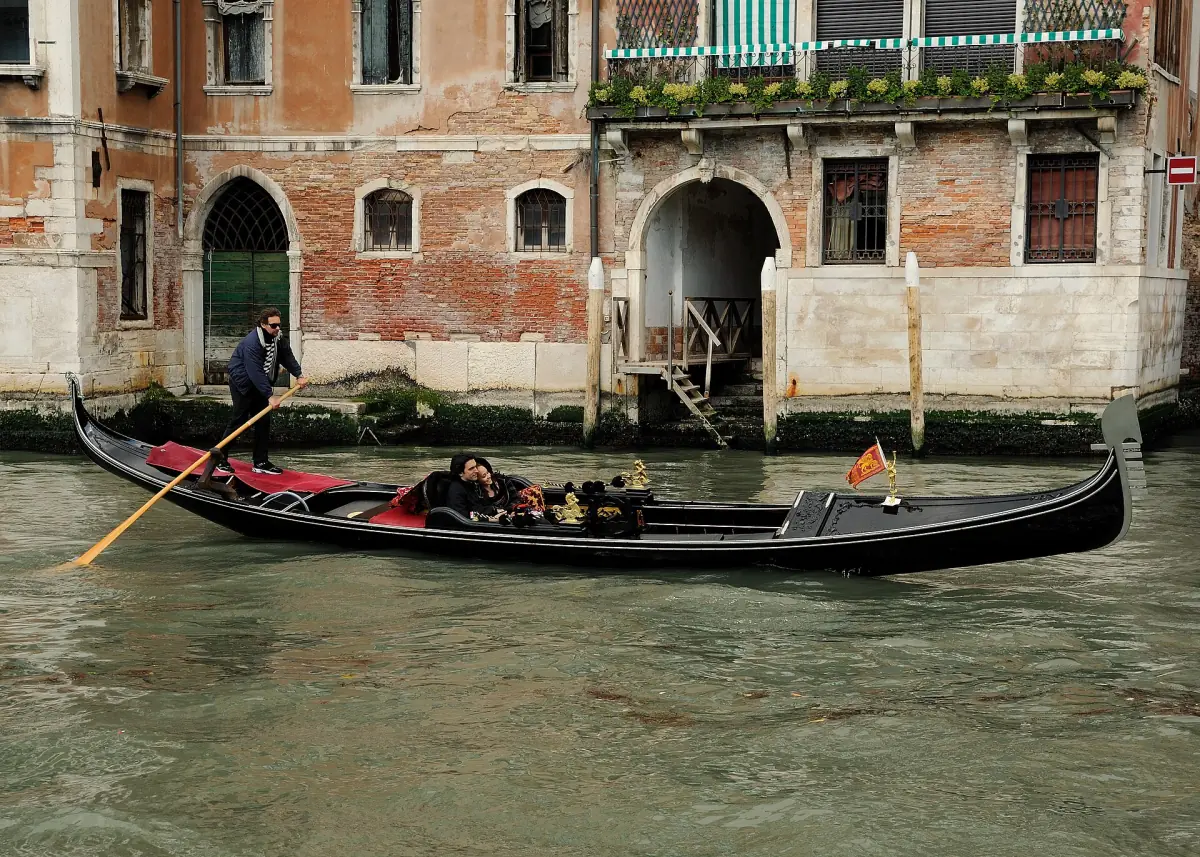
Grand Canal tours with history on the way
Boat tours and gondola rides past the palaces, bridges and trading houses of the canal.
Names, origins and the story of Rialto
What the name tells you, and what it does not.
Where the name Rialto comes from
The name Rialto goes back to the Latin rivus altus, meaning deep channel. It referred to today's Grand Canal and the neighbouring Rialtine islands. That explains the name Rialto, but it does not give you an unbroken line of official names for the canal itself. Bridge and market have their own page: the history of the Rialto Bridge.
A founding date that is tradition
Tradition places the founding of Venice on 25 March 421. It is a tradition, not a record, and it tells you nothing about when the canal formed. For the wider story of the city and its islands, see Venice and the islands.
A palace that stayed unfinished
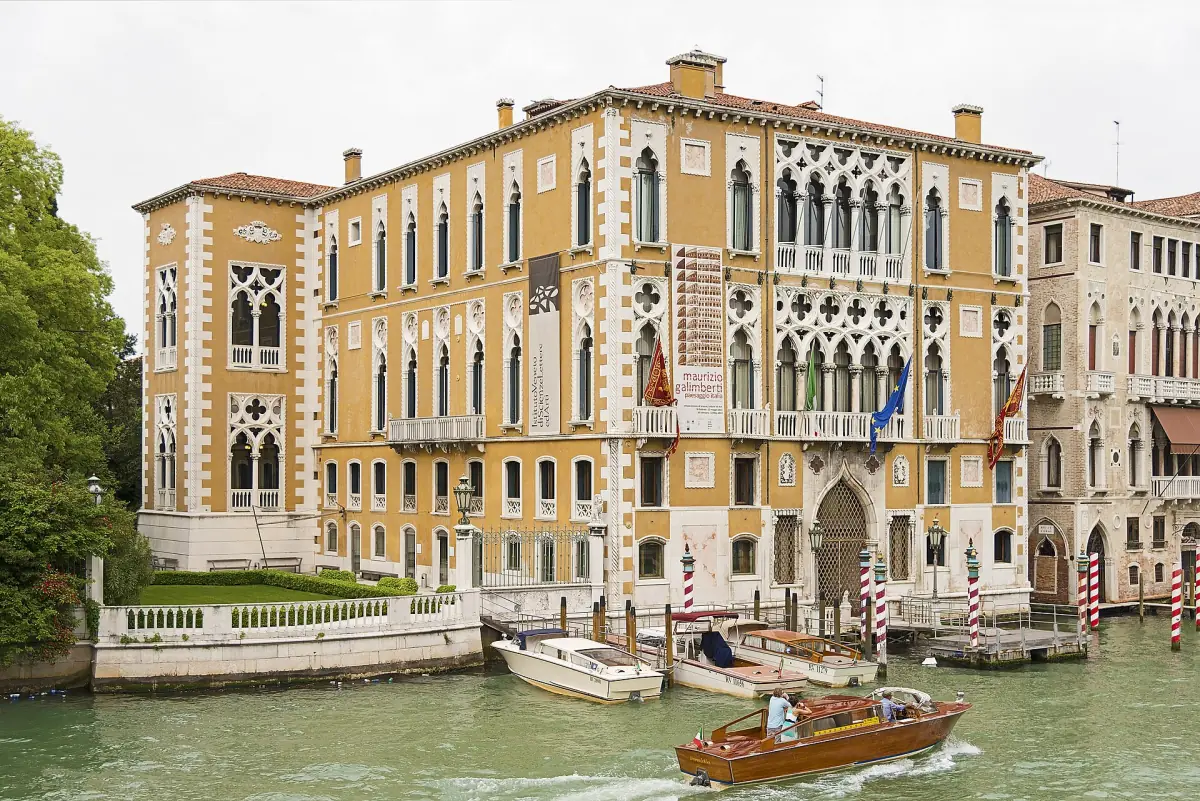
The Palazzo Venier dei Leoni shows how plans and reality can differ. In 1749 the order for a five-floor palace went to Lorenzo Boschetti, yet only the first was built. Peggy Guggenheim bought the house and garden in July 1949, and the collection opened to the public in 1980. Today it is one of the museums on the canal, described on our Grand Canal museums page.
How the canal formed
The reverse S shape fits the idea of a former river course. That is a likely explanation, not a proven fact, and no earlier river can be named.
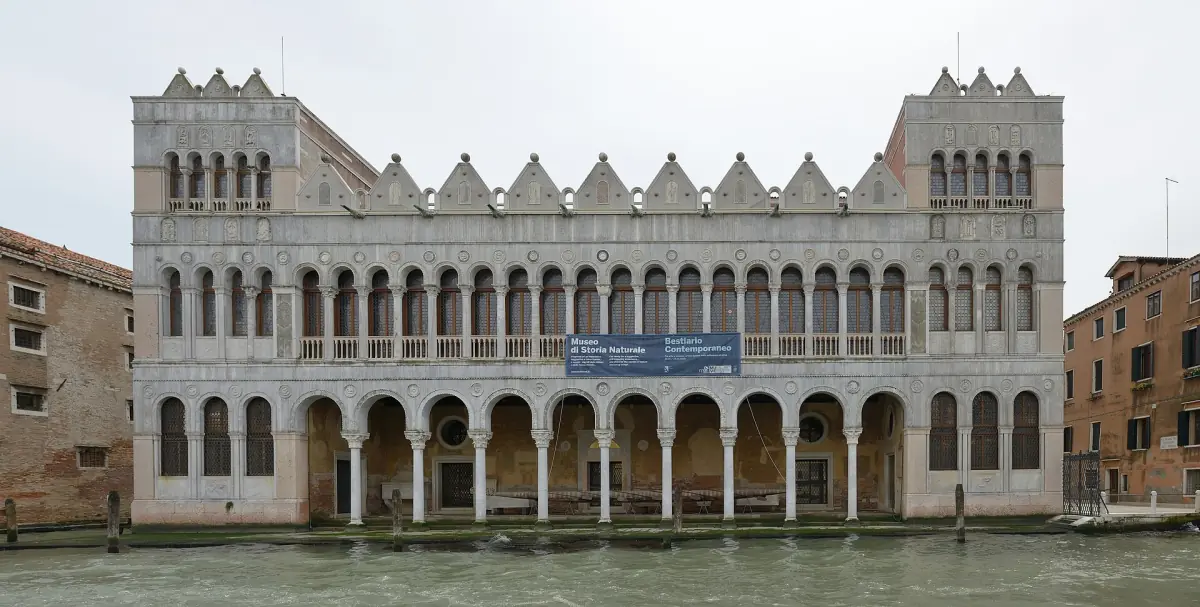
Trade and the palaces: the Fondaco dei Turchi
One building shows how the canal worked as a trade route. The Fondaco dei Turchi has main structures from the 12th and 13th centuries. From 1621 until 1838 it served as the trading centre of Turkish merchants. It was heavily remodelled in the 19th century, and today it houses the Natural History Museum.
That does not mean every palace on the canal was a trading office, and each building has its own story. For a walk through the best-known ones, see the Grand Canal palaces page. Counts of palaces on the canal run from at least 170 to more than 200, depending on what is counted.
The four fixed bridges
Fixed crossings of the canal.
Rialto
Rialto is one of the four fixed crossings. The bridge and the market have their own guide, linked above.
Accademia
Eugenio Miozzi designed it as a temporary wooden solution, and it opened on 19 February 1933. Later parts of the load-bearing structure are steel, so do not call it wooden throughout.
Scalzi
Also by Eugenio Miozzi, built in 1934, this stone bridge sits near the railway station.
Costituzione
Santiago Calatrava designed it. It opened in 2008 (on 11 September) and links the station area with Piazzale Roma. Temporary festival and sports bridges are not counted.
Grand Canal history: frequently asked questions
How old is the Grand Canal?
No year is known for its creation. It probably follows an old riverbed, but the river and the date remain uncertain. Venice's traditional founding date of 25 March 421 does not date the canal.
Where does the name Rialto come from?
From the Latin rivus altus, meaning deep channel. The name referred to today's Grand Canal and the neighbouring Rialtine islands.
How many bridges cross the Grand Canal?
Four fixed bridges: Rialto, Accademia, Scalzi and Constitution. Temporary festival and sports bridges are not counted.
What was the Fondaco dei Turchi?
A building on the canal that served as the trading centre of Turkish merchants from 1621 until 1838. It has main structures from the 12th and 13th centuries and now houses the Natural History Museum.
How many palaces line the Grand Canal?
Counts run from at least 170 to more than 200, depending on what is counted, so treat any exact number with caution.